






















The streets of Chicago will look a little different on October 11, 2026. Thousands of runners will fill the city, spectators will line the course, and months of Chicago Marathon training will come down to 26.2 miles. But long before race day, runners have already spent weeks building the foundation that matters most when the excitement fades: marathon endurance.
Because getting through 26.2 miles is not just about running fast. It is about staying steady when your legs get tired, maintaining your effort when the miles start to feel long, and having enough endurance left to keep moving toward the finish line. That kind of endurance comes from consistent training, easy miles, long runs, and the right mix of indoor and outdoor workouts.

What Does Marathon Endurance Really Mean?
Simply put, endurance is your ability to keep moving and maintain your effort over time, even as fatigue builds. In marathon training, it helps you stay steady through long stretches of running and keep going when the miles start to feel harder.
Endurance involves both aerobic and anaerobic energy systems. Aerobic endurance supports longer, steady efforts such as easy runs and long runs, while anaerobic energy becomes more important during shorter, higher-intensity efforts like intervals, hills, or a strong finish.
Because a marathon is a long-duration effort, building a strong aerobic base is especially important for marathon endurance. That comes from consistent training, manageable effort, and gradually spending more time moving.
How to Build Endurance for the Long Run
Effective marathon endurance training is about more than simply running more miles. Consistency, aerobic fitness, speed, strength, and recovery all play a role in how well you handle the distance.
A few simple principles can help:
Run consistently. Regular running gives your body repeated opportunities to adapt to sustained effort. Consistency matters more than trying to make every session difficult.
Make room for longer, easier sessions. Longer, comfortable runs help your body adapt to spending more time on your feet. Keep the effort controlled so you can build endurance without turning every long session into a race.
Add some faster work. Intervals, tempo efforts, or short hill sessions can complement easier running by challenging your body at higher intensities. They do not need to make up most of your training.
Build strength and recover well. Strength training can support your overall training, while rest and quality sleep give your body time to adapt. Yoga or mobility work can also be useful as part of a balanced routine.
The bigger picture is simple: build your endurance through a mix of consistent movement, varied training, and enough recovery to keep going.

Indoor Cardio Training: 3 Ways to Build Endurance
Outdoor running is an important part of marathon preparation, but it does not have to be the only way to build endurance. Weather, busy schedules, or limited daylight can make it harder to stay consistent. For runners, indoor marathon training can be a useful complement to outdoor workouts when getting outside is not practical.
More importantly, indoor training can be adjusted to different fitness levels. Whether you are preparing for a marathon or simply looking to improve your cardio fitness, the basic principles are similar: control your effort, build gradually, and stay consistent.
1. Spend More Time Moving
Endurance develops as your body adapts to sustained exercise and repeated training. That does not always mean running.
For a runner, this could be an easy treadmill run or a longer aerobic session. If you are newer to exercise, start with brisk walking and gradually increase the duration. You can also alternate walking and jogging as your fitness improves.
The key is to choose an effort you can maintain without feeling completely drained. Over time, gradually spending more time moving can help build your aerobic base and running endurance.
2. Keep Some Sessions Easy
More intensity is not always better for endurance.
Easy aerobic sessions allow you to spend more time training without making every workout highly demanding. Zone 2 cardio is one approach that focuses on maintaining a relatively low and sustainable intensity.
On a treadmill, you can adjust your speed to find a controlled effort. For many people, an easy aerobic session should feel sustainable enough to hold a conversation without becoming breathless.
You do not need to run fast to get a useful cardio workout. The goal is to build consistency while giving your body enough room to recover and train again.
3. Use Incline to Change the Challenge
Speed is not the only way to change the difficulty of a treadmill workout.
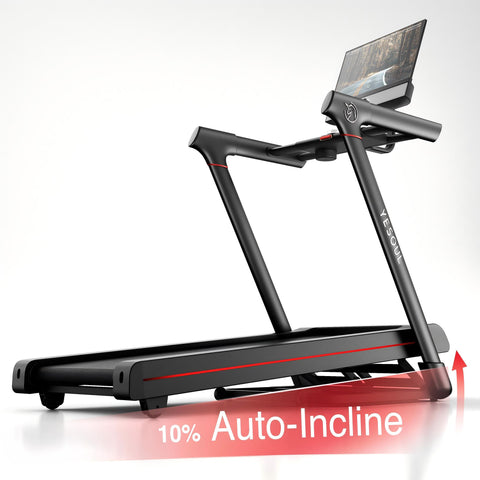
A treadmill with incline gives you another option. Increasing the incline can make walking or running more demanding while allowing you to keep the speed at a comfortable level.
For runners, incline can add variety to indoor training. For walkers and general fitness users, incline walking can provide a more challenging low impact cardio option while keeping the workout in a walking-based format.
You do not need to be training for Chicago to use these methods. The same approach can help you build a stronger cardio routine, one manageable session at a time.

Build Your Indoor Endurance Routine With YESOUL
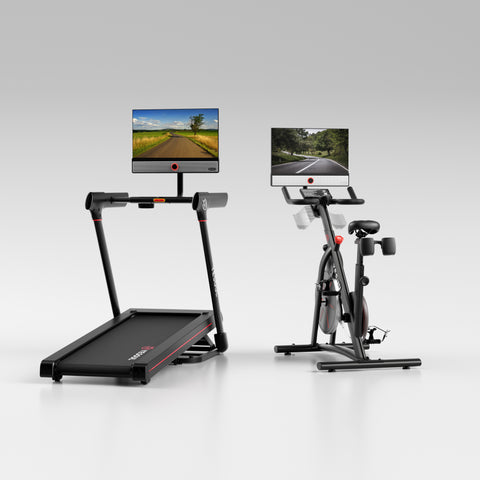
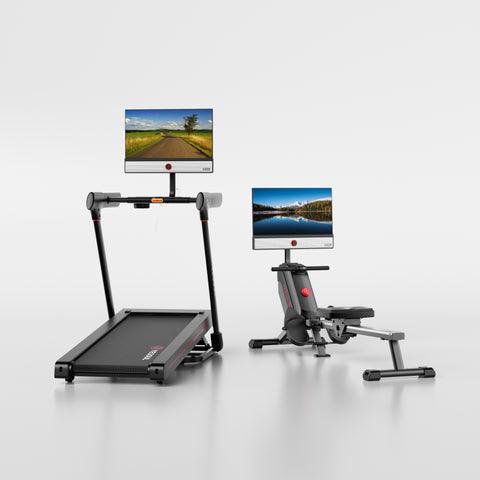
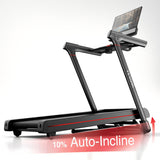
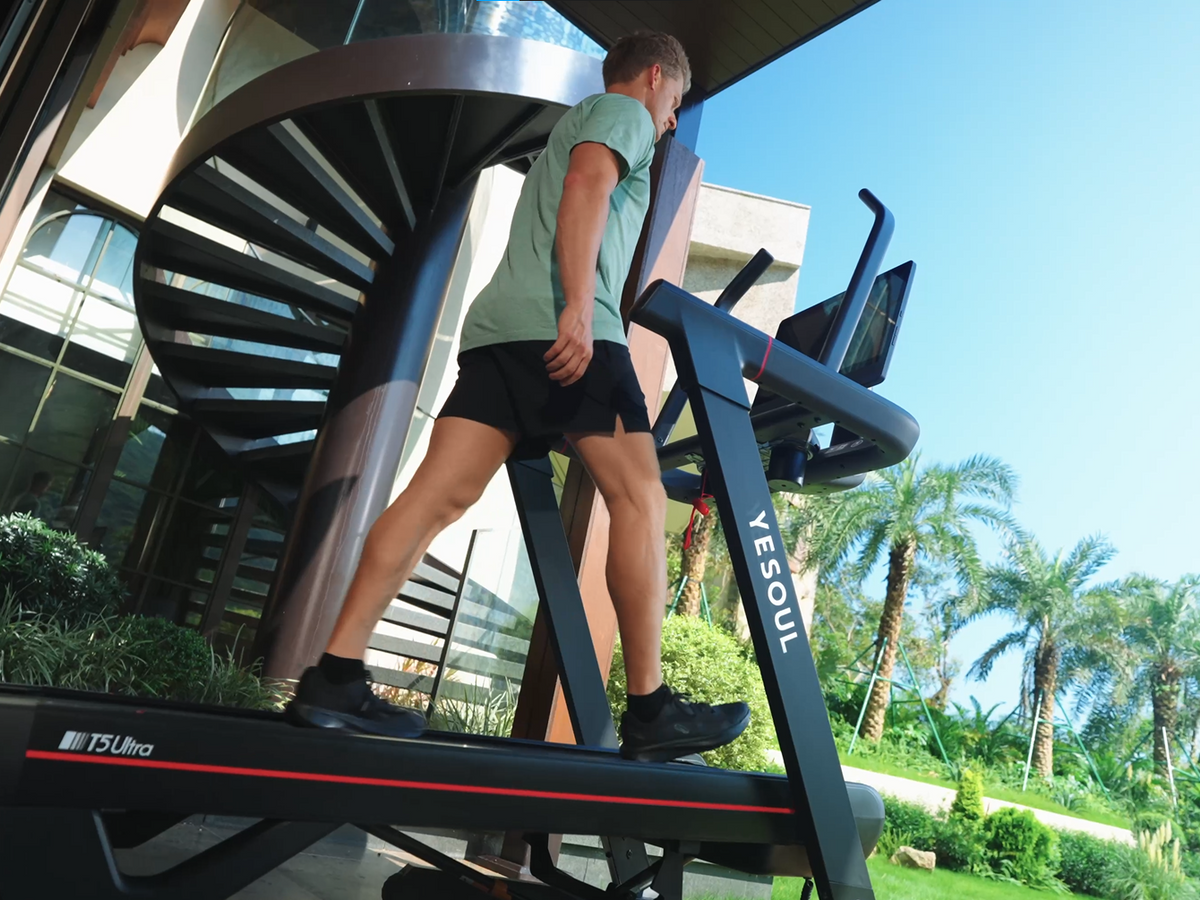
Having a treadmill at home can make it easier to stay consistent when outdoor training does not fit your schedule. The YESOUL T3S Plus Treadmill supports walking, jogging, running, and incline walking with speeds from 1–14 km/h and up to 10% auto incline.
Its 21.5-inch rotating screen also supports screen mirroring, making it easier to follow a workout, watch content, or switch from cardio to strength training and stretching in the same space. With no mandatory subscription, you can keep your home workout routine flexible without adding another monthly commitment.
A good indoor routine should feel practical enough to fit into your everyday schedule.


From Marathon Training to Everyday Fitness
The Chicago Marathon may give us a reason to talk about endurance, but you do not need to run 26.2 miles to benefit from it.
For runners, building endurance can mean preparing for a longer race or making those final miles feel more manageable. For walkers, hikers, and everyday fitness enthusiasts, it can mean staying active for longer, improving cardiovascular fitness, or simply feeling more comfortable during regular workouts.
There is no single way to build endurance. Some days might call for an outdoor run. Others might be better suited to an easy treadmill session, incline walking, or a short home cardio workout.
What matters is finding a balance between challenging yourself and giving your body enough time to recover.
Because endurance is not built in one workout.
It is built through the miles, minutes, and small choices that add up over time.




Leave a comment
All comments are moderated before being published.
This site is protected by hCaptcha and the hCaptcha Privacy Policy and Terms of Service apply.