










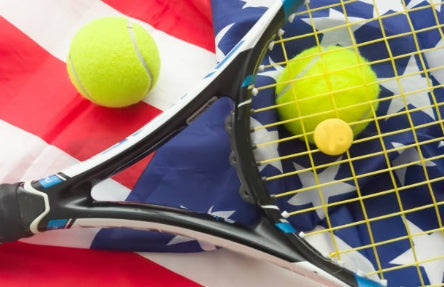
When the US Open arrives in New York, tennis fans around the world are reminded of the speed, endurance, and athletic preparation behind every match. But improving your own tennis performance doesn't only happen on the court.
Whether you're training for your next match, playing tennis on weekends, or simply looking to become a stronger and more consistent player, building the right physical foundation can make a meaningful difference.
Professional players don't rely only on technique. Behind every powerful serve, quick reaction, and long rally is years of strength training, endurance work, and recovery. The same principles can help recreational players improve how they move, maintain energy, and perform during longer sessions.
This is where cross-training can help.
By adding different forms of exercise to a tennis routine, players can develop physical abilities that are difficult to build through court practice alone. Indoor rowing, for example, combines strength and cardio training while engaging the entire body, making it a valuable option for players looking to improve overall fitness.
Why Cross-Training Matters for Tennis Players
Tennis places unique demands on the body.
Players need to accelerate quickly, maintain balance during powerful shots, and stay focused through long matches. These demands require more than technical ability.
Supporting Speed and Movement
Fast footwork is a key part of tennis.
Whether moving across the baseline or reacting to a short ball, players rely on strong legs and stable movement patterns. Lower-body training can help improve control during quick changes of direction.
Developing Core Strength
Many tennis movements begin from the center of the body.
The core helps connect the lower and upper body, allowing players to transfer force during serves, forehands, and backhands. Better core stability can contribute to more controlled and efficient movement.
Improving Match Endurance
A tennis match can change quickly, especially when points become longer.
Players need the ability to maintain intensity and recover between rallies. Cardiovascular training outside the court can support overall endurance and help prepare the body for longer sessions.

Best Cross-Training Exercises for Tennis Players
Tennis requires more than technical skills. A player needs the endurance to stay competitive through long rallies, the strength to generate power, and the conditioning to recover quickly between points.
That’s why many tennis players include cross-training exercises outside of regular court practice. The right training routine can help improve overall athletic performance while reducing the risk of overuse injuries.
Cardio Training: Building Tennis Endurance
Tennis matches are built around repeated bursts of movement—short sprints, quick changes of direction, and periods of recovery between points.
Cardio training helps players maintain energy throughout a match and stay focused during the later stages when fatigue starts to affect performance.
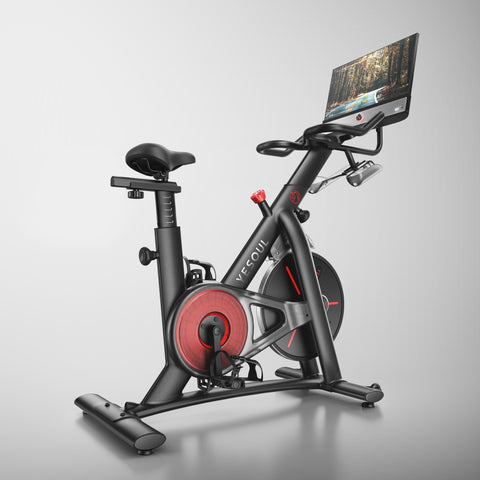
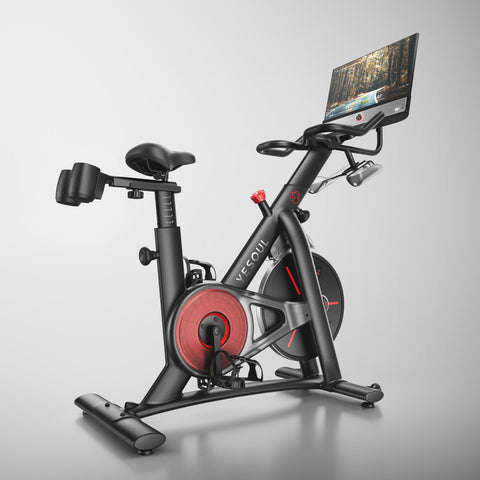
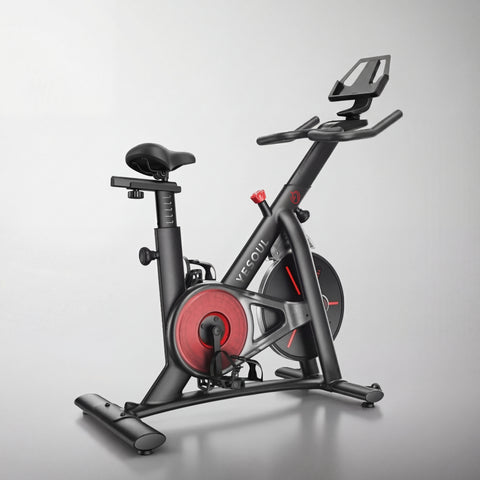
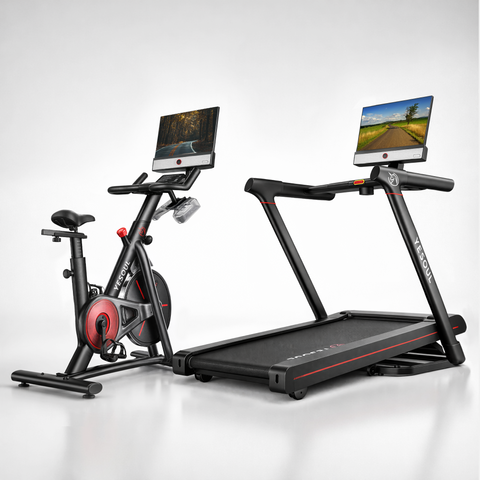
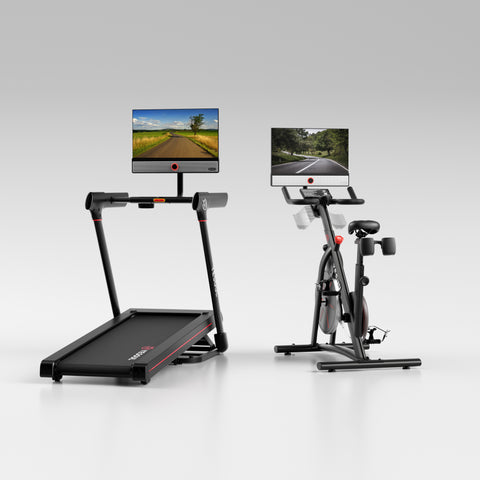
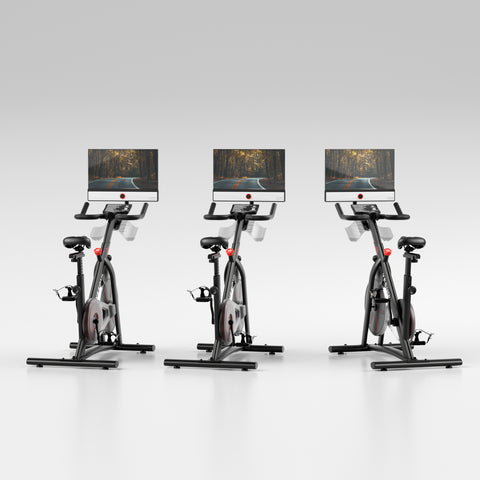
Low-impact cardio options such as indoor cycling are especially useful because they improve cardiovascular endurance while placing less stress on the joints.
A short cycling session can be added on recovery days, before strength training, or as part of an off-court conditioning routine.
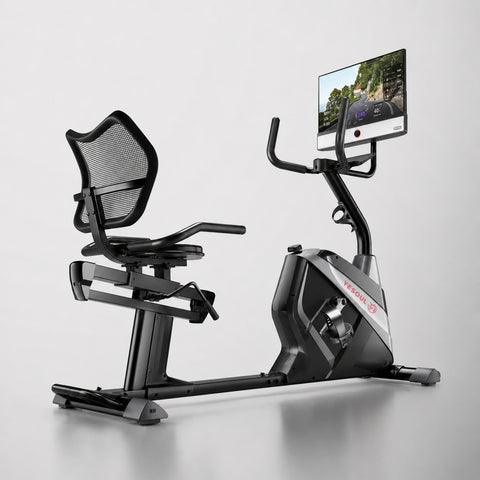
With home cardio equipment, players can easily add endurance sessions into their schedule without needing to travel to a gym. The ability to train at home makes it easier to stay consistent between tennis practices and matches.
Core Training: Improving Stability and Control
A strong core plays an important role in tennis performance.
Every serve, forehand, backhand, and directional change requires stability through the center of the body. Core strength helps players transfer power efficiently while maintaining balance during fast movements.
Common core exercises for tennis players include:
- Planks
- Russian twists
- Dead bugs
- Medicine ball rotations
These movements help develop the control needed for powerful and consistent shots.
Full-Body Conditioning: Training Like an Athlete
Tennis is a full-body sport.
The lower body provides speed and explosiveness, while the upper body generates power during strokes and serves.
Full-body conditioning combines strength, mobility, and endurance exercises to prepare athletes for the physical demands of competition.
Examples include:
- Squats and lunges for lower-body strength
- Push-ups and rows for upper-body balance
- Interval training for match-style intensity
The goal is not only to become stronger, but to build a body that can perform repeatedly over time.
How Rowing Complements Tennis Training
Tennis requires repeated explosive movements, rotational power, and endurance. Rowing supports these foundations by training multiple muscle groups together through controlled, repetitive movement.
Rowing is a full-body workout that combines resistance and cardiovascular exercise in one movement. Tennis requires repeated explosive movements, rotational power, and endurance. Rowing supports these foundations by training multiple muscle groups together through controlled, repetitive movement.
Unlike training methods that focus on a single area, rowing involves the legs, core, back, and arms throughout each stroke. This makes it a useful addition for athletes looking to develop balanced fitness.
Lower-Body Power
Each rowing stroke starts with a strong push from the legs.
The movement engages muscles such as the quadriceps and glutes, which are important for explosive starts, stability, and movement around the court.
Core Control
Maintaining a smooth rowing motion requires steady body positioning.
The core works throughout the exercise to support posture and coordination between the upper and lower body. This type of full-body connection is also important in tennis, where efficient movement depends on timing and control.
Cardiovascular Conditioning
Rowing provides an effective way to train endurance without requiring high-impact movement.
For tennis players, it can be a practical option for maintaining fitness between matches, during the off-season, or when outdoor training is less convenient.

Bringing a Professional Training Mindset Home
The lessons behind professional tennis are not only for competitive athletes.
Whether you're a competitive tennis player or simply someone who enjoys staying active, cross-training principles apply to everyone. The best training routine is the one you can consistently maintain.
Behind every great performance is a consistent routine.
For everyday players, progress often comes from simple habits: practicing regularly, staying active, and choosing workouts that support personal goals.
Home fitness can make this process easier by removing common barriers such as limited time, changing weather, or busy schedules.
A home training routine allows you to:
- Add strength and cardio sessions around your tennis schedule
- Maintain fitness when outdoor workouts are not ideal
- Create a consistent exercise habit
- Train at your own pace
The most effective routine is the one you can continue over time.

Adding Indoor Rowing to Your Home Workout Routine
For tennis players, rowing is not a replacement for time on the court. Instead, it works as a supporting workout that helps improve the fitness foundation behind the game.
For recreational tennis players, the challenge is often not motivation—it is finding time. Between work, family, and unpredictable weather, maintaining consistent training can be difficult.
A better tennis experience doesn't always come from spending more hours on the court. Supporting your game with the right type of fitness training can help improve movement, recovery, and overall performance.
Tennis requires more than technical skills. Players need powerful legs for movement, a stable core for rotation, and enough endurance to maintain intensity throughout longer matches. Indoor rowing can help train these areas together through one efficient full-body movement.
A rowing session can fit into different parts of a tennis training schedule:
- A short full-body workout before strength training
- A cardio session between tennis practices
- An endurance-focused workout on recovery days
- A convenient indoor option when outdoor training isn't practical
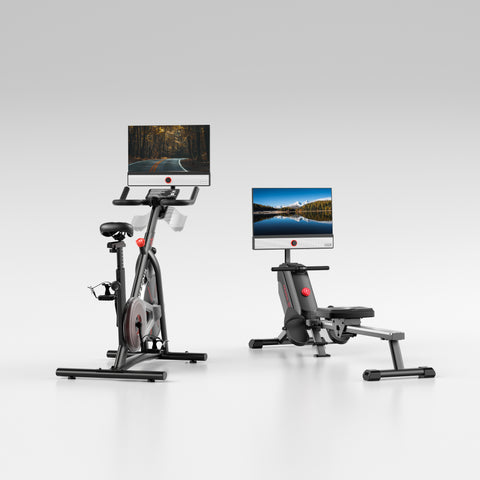
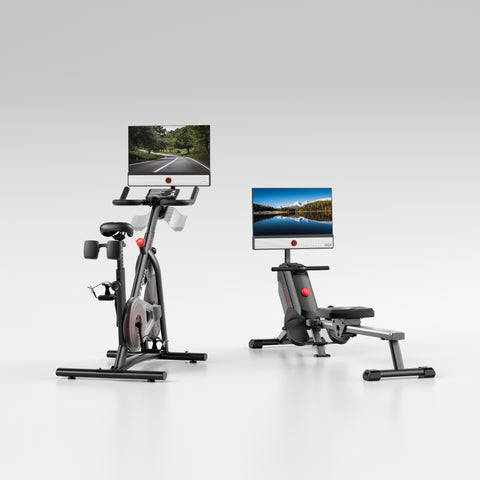
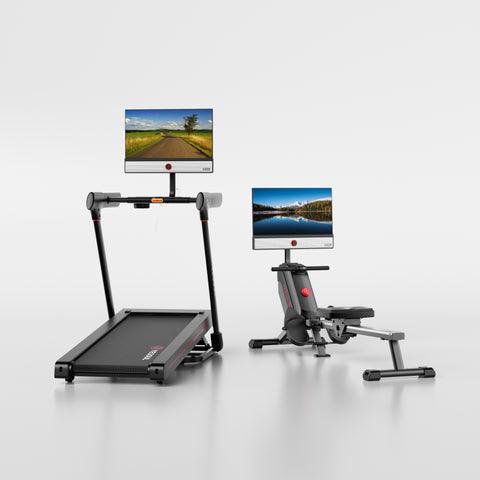
With a home rowing machine like the YESOUL R1 Rowing Machine, users can bring full-body conditioning into their daily routine without needing extra gym time. The rowing motion engages the legs, core, back, and arms in every stroke, helping build the strength and coordination needed for explosive movements on the court.
For tennis players, this means more than simply improving fitness. A consistent rowing routine can support better movement efficiency, help maintain energy during longer matches, and provide a balanced way to train beyond traditional court practice.
Designed for home workouts, the YESOUL R1 Rowing Machine makes it easier to stay consistent with structured training. Whether you're preparing for your next tennis match, improving overall athletic performance, or looking for a low-impact way to stay active, indoor rowing can become a valuable part of your fitness routine.

Get Ready for Your Next Match
The US Open highlights what preparation can achieve.
While fans see the final result on the court, performance is shaped by the work done long before match day.
For tennis lovers, improving fitness goes beyond practicing technique. A balanced approach that includes strength, endurance, and cross-training can help create a stronger foundation for the sport.
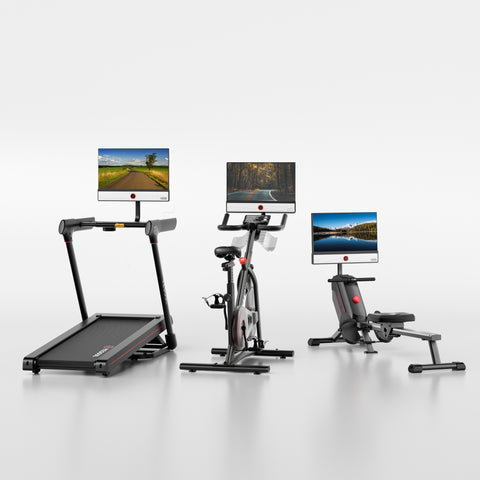
With YESOUL, bringing effective home workouts into your daily routine becomes more accessible. Whether you are preparing for your next tennis session, staying active between seasons, or simply looking for a convenient way to move more, consistent training can help you make steady progress.
Whether you are looking for tennis conditioning workouts, improving endurance, or building a consistent home fitness routine, the key is choosing training you can maintain.







Leave a comment
All comments are moderated before being published.
This site is protected by hCaptcha and the hCaptcha Privacy Policy and Terms of Service apply.