




The New York City Marathon brings together runners from around the world to take on 26.2 miles across the city's five boroughs. Completing the race takes endurance, patience, and months of preparation. But crossing the finish line is only part of the journey. Knowing how to recover afterward is just as important.
Whether you've just finished a marathon, run a few miles each week, or simply enjoy staying active, there's something everyone can learn from marathon recovery: giving your body enough time to rest is essential. Cross-training, such as indoor rowing, can also introduce variety without relying on the same type of workout every day.
Recovery Comes First After a Marathon
Running 26.2 miles places substantial demands on the body. Runners may experience muscle soreness, fatigue, and temporary reductions in muscle function after a marathon. Recovery time varies depending on training history, race intensity, and individual response.
In the days after a race, prioritize quality sleep, balanced meals, and proper hydration. Carbohydrates help replenish energy stores, while protein supports muscle repair. Gentle movement may be appropriate if it feels comfortable, but there's no need to rush back into demanding workouts.
Pay attention to persistent pain, unusual fatigue, or symptoms that worsen. If you're unsure whether you're ready to exercise, consult a qualified healthcare professional.

Why Rest Matters in Every Fitness Routine
You don't have to run a marathon to understand the importance of recovery. Whether you're working toward a fitness goal or simply trying to stay active, giving your body enough time to recover helps you get more out of your workouts.
Exercise places stress on your muscles and uses up energy. Recovery gives your body time to repair, replenish energy stores, and adapt to training. Without enough rest, fatigue can accumulate, affecting performance and potentially increasing the risk of overuse injuries.
Effective recovery starts with a few basic habits:
l Prioritize sleep. Quality sleep gives your body time to repair muscles and restore energy.
l Eat and hydrate well. Get enough carbohydrates and protein to replenish energy and support muscle repair. Drinking enough fluids also helps replace water lost through sweat.
l Adjust your training load. Alternate demanding workouts with easier sessions or rest days, especially when you're feeling unusually tired or sore.
Rest doesn't always mean doing nothing. Gentle walking or light mobility exercises can help you stay active between sessions, as long as they don't make soreness or fatigue worse. After a particularly demanding workout, a full day off may be more beneficial than pushing yourself to exercise when you're exhausted.

How Cross-Training Supports a Well-Rounded Fitness Routine
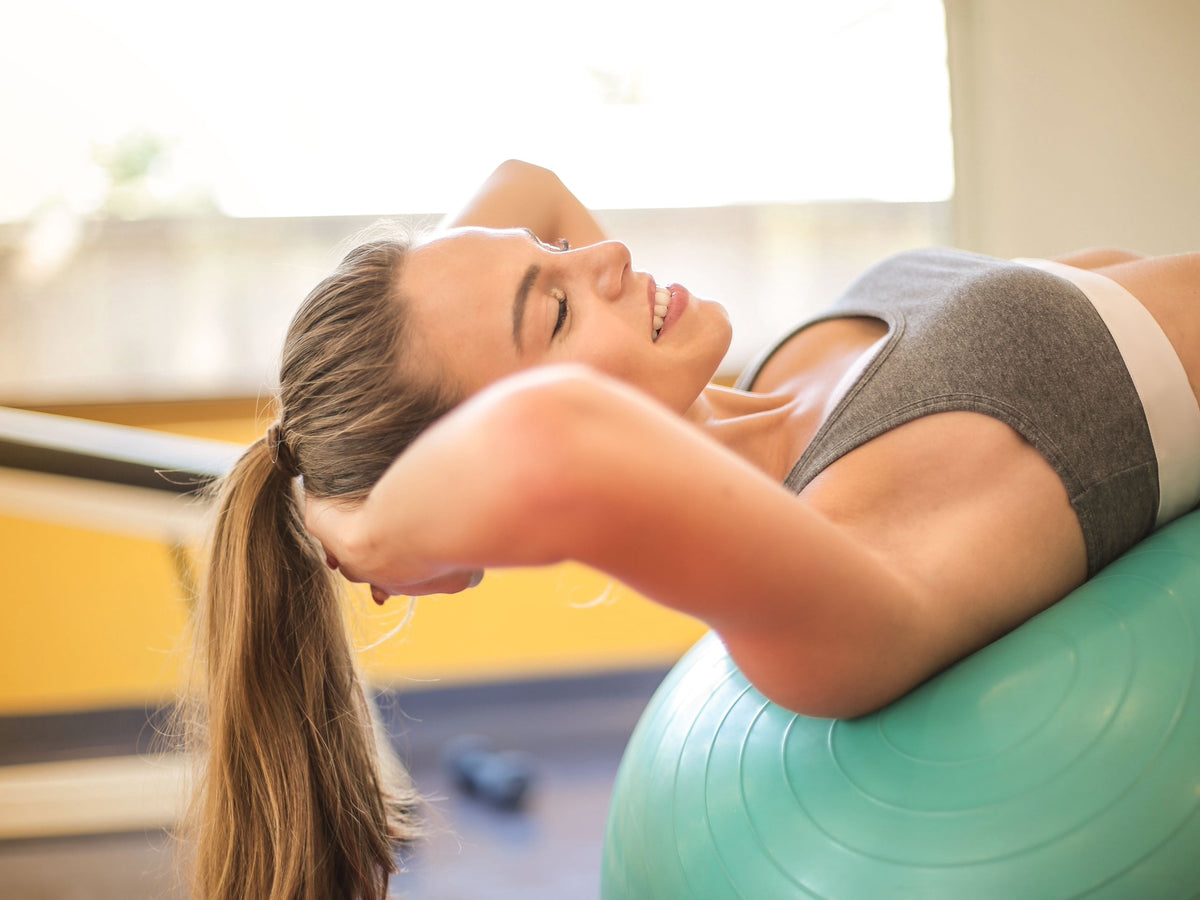
Cross-training involves adding different types of exercise to your regular routine. Runners might include cycling, swimming, or strength training, while people who focus on weight training could add walking or indoor rowing.
Switching between activities changes the way your body is challenged. For example, a runner feeling tired after several days of road training might choose an easy cycling session instead. Someone who spends long hours at a desk could try a short rowing workout to get moving and engage both the upper and lower body.
Cross-training can also make your workouts easier to fit into everyday life. Indoor sessions are convenient when the weather isn't ideal, and trying different activities can help keep exercise interesting.
How you combine different activities depends on your fitness goals and recovery needs. After a marathon or a particularly demanding workout, start with gentle activity and gradually increase the intensity as your body recovers.
Rowing as a Full-Body Cardio Workout
Indoor rowing is a versatile way to add variety to your cardio routine. It provides a low-impact workout that engages major muscle groups, including the legs, back, core, and arms, while also challenging your cardiovascular system.
The intensity depends on your pace and effort. Steady rowing can help develop aerobic endurance, while interval training offers a more challenging option. Beginners can start with shorter sessions and focus on proper technique before gradually increasing their workout duration or intensity.
Rowing can complement running or offer an alternative for people who prefer indoor cardio. Unlike running and jumping, it doesn't involve repeated landing impacts, making it another option for people looking to vary their training.
Proper technique is important, especially for beginners. Start at a comfortable pace, focus on controlled movements, and increase the intensity gradually as your fitness improves.

Building a Sustainable Home Fitness Routine
Staying active regularly can be challenging when exercise has to compete with work, family responsibilities, and other daily commitments.
Busy schedules, bad weather, and travel time can all make it harder to exercise regularly. Having cardio equipment at home gives you more flexibility when getting to a gym isn't convenient.
A rowing machine can be a practical addition to a home gym, especially if you enjoy full-body cardio and want more variety in your workouts.
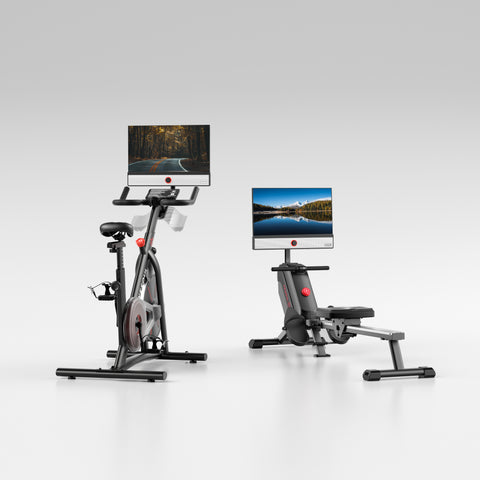
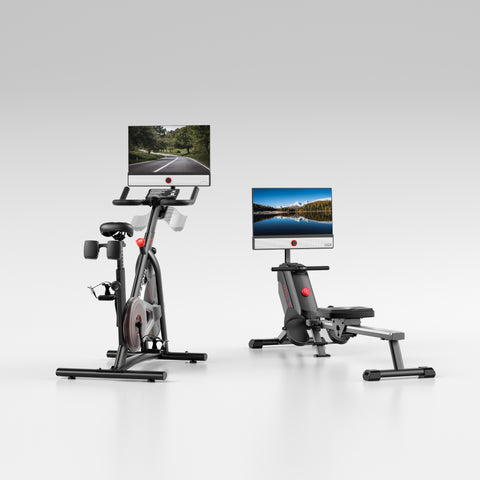
The YESOUL R1M Plus rowing machine comes with a 21.5-inch rotating screen and supports wired screen mirroring, so you can view compatible content from your phone or other devices on the display. There's also no mandatory paid YESOUL membership required to use the machine, giving you more flexibility when it comes to ongoing fitness costs.
Of course, equipment is only part of the equation. Good technique, appropriate intensity, and consistency matter just as much. You might row on some days, walk or strength train on others, and take a rest day when needed.

Making Fitness a Long-Term Habit
The NYC Marathon is a reminder of what consistent effort can achieve. That same spirit can carry into everyday fitness: set realistic goals, make time for recovery, and keep moving at a pace that works for you.
At YESOUL, we believe fitness should be part of everyday life, not something that feels difficult to maintain. Whether you're recovering after a marathon or simply looking for ways to stay active at home, finding the right balance between movement and rest can make a difference. Keep your workouts manageable, listen to your body, and give yourself time to recover along the way.



Leave a comment
All comments are moderated before being published.
This site is protected by hCaptcha and the hCaptcha Privacy Policy and Terms of Service apply.