




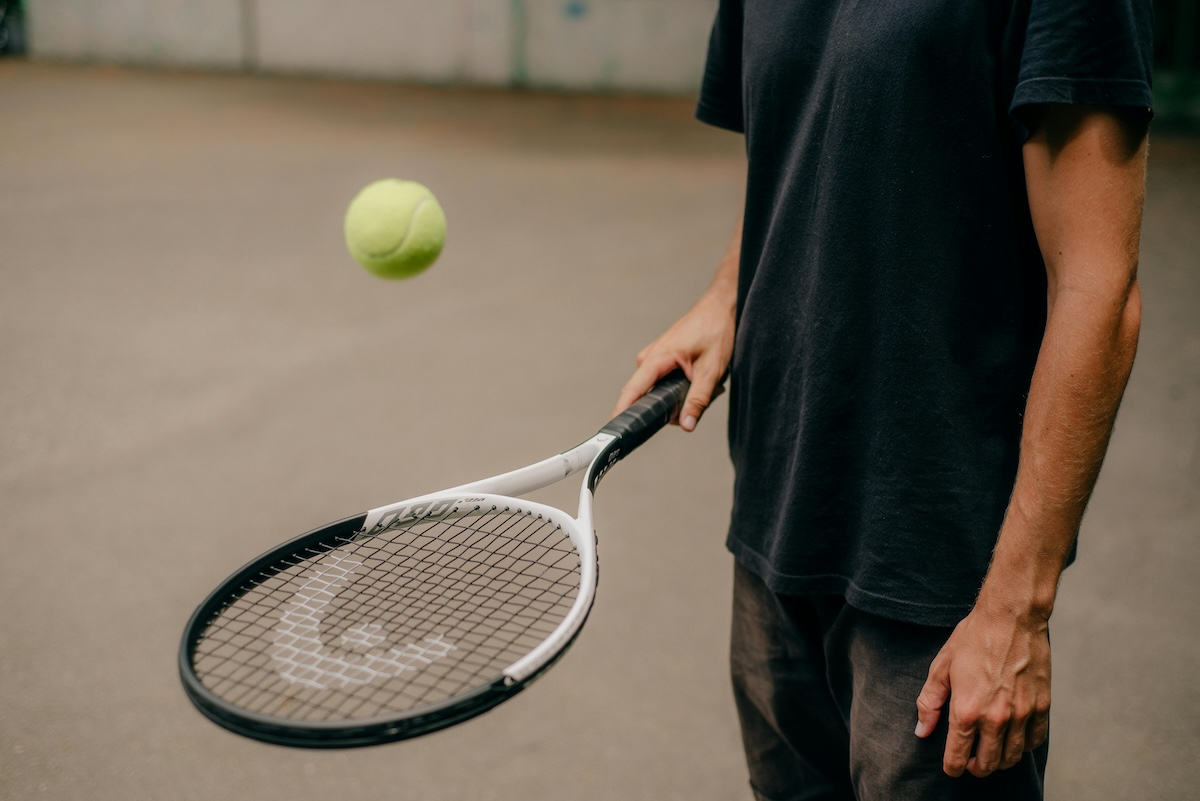
Tennis-Inspired Cardio & Endurance: Where Real Stamina Begins
In Australia, tennis is more than a sport — it’s woven into everyday life. From weekend social matches at local clubs to the global stage of the Australian Open, tennis represents endurance, focus, and control. While powerful serves and explosive footwork often draw the spotlight, seasoned players understand a deeper truth: matches are rarely won by strength alone. They are won by stamina — the ability to sustain movement, maintain technique, and stay mentally sharp from the opening rally to the final point.
For many recreational players, the challenge doesn’t appear in the first set. It emerges later, when legs feel heavy, recovery slows, and small technical errors creep in. Footwork loses precision. Swings shorten. Breathing becomes shallow. These moments reveal what tennis truly is: a full-body endurance sport that demands coordination between legs, core, back, arms, and cardiovascular capacity over extended periods of time.
As modern lifestyles grow busier and court access becomes less predictable, players are rethinking how they train off the court. Endurance training no longer needs to rely on long-distance running or high-impact workouts that strain joints and increase injury risk. Instead, the focus is shifting toward smarter, sustainable cardio that mirrors the real demands of the game.

The Science of the Swap: Why Rowing Works for Tennis
Traditional cardio methods often fall short when applied to tennis performance. Running builds aerobic capacity, but it rarely trains the integrated movement patterns tennis requires. Tennis is rotational, rhythmic, and reactive. Every point involves lower-body drive, core stability, controlled upper-body movement, and efficient breathing — repeated hundreds of times across a match.
Rowing closely mirrors this kinetic chain. Each stroke begins with leg drive, transfers power through the core, and finishes with controlled upper-body engagement. This coordinated sequence parallels the mechanics of tennis strokes and on-court movement. More importantly, rowing trains athletes to maintain efficiency and form as fatigue builds — a critical skill during long baseline rallies or extended matches.
From a physiological standpoint, rowing delivers high cardiovascular demand without repetitive impact. For adult and recreational players who experience knee, ankle, or hip sensitivity from court play, this low-impact profile is especially valuable. Instead of stressing joints, rowing builds endurance through smooth resistance and continuous motion, allowing longer training sessions with reduced injury risk.
Mentally, rowing reinforces pacing and focus. Tennis rewards players who can regulate effort — knowing when to push and when to recover. Rowing naturally develops this awareness by encouraging steady rhythm, controlled breathing, and sustained concentration. Over time, these skills translate into calmer point recovery, better shot selection, and improved composure under pressure.

Translating Endurance into Match-Day Performance
Endurance in tennis is not simply about lasting longer — it’s about preserving quality. Fatigue often shows first in footwork, timing, and decision-making rather than outright exhaustion. This is where rowing-based conditioning offers a measurable advantage.
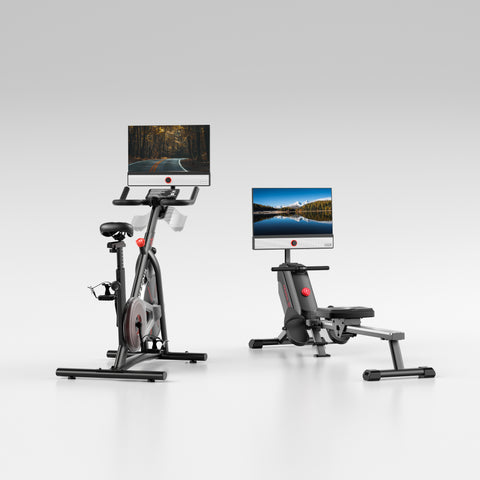
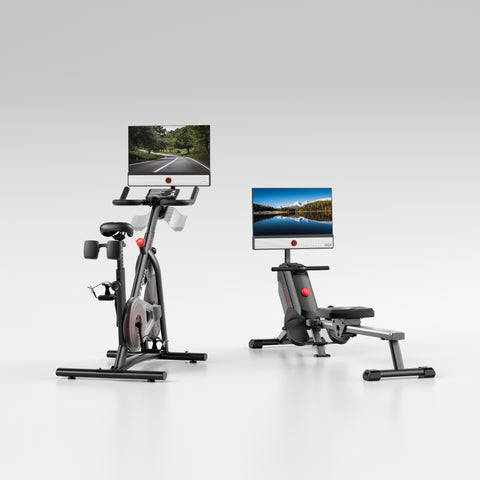
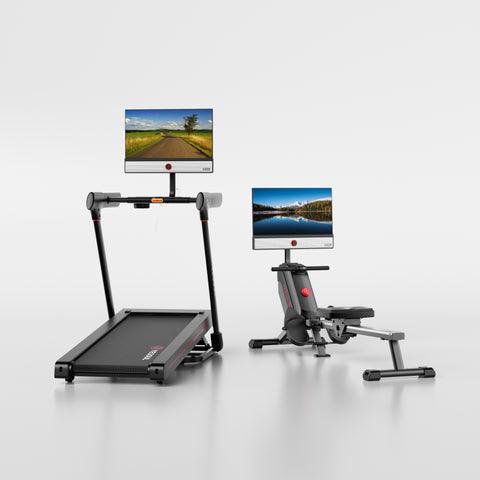
Training on the YESOUL R1M rowing machine helps players develop sustained power output through the legs and hips — essential for lateral movement, quick recovery steps, and explosive changes of direction. As endurance improves, players find they stay lighter on their feet deeper into matches and recover faster between points.
Rowing also strengthens the posterior chain, including the glutes, hamstrings, and lower back. These muscles play a key role in posture and balance during long rallies. Many recreational players notice stroke breakdown late in matches due to core fatigue. By reinforcing trunk stability, rowing helps maintain swing mechanics and court positioning under pressure.
Breathing efficiency is another critical carryover. Tennis involves repeated bursts of effort followed by short recovery windows. Rowing trains athletes to synchronize breathing with movement, promoting deeper, more controlled respiration. Over time, this improves oxygen delivery and reduces breathlessness during intense exchanges, allowing players to reset mentally between points.
For players balancing work, family, and limited court time — a common reality across Australia — rowing provides a reliable, weather-independent way to build endurance year-round. Even focused sessions of 20 to 30 minutes can deliver meaningful cardiovascular benefits without the logistical challenges of outdoor training or gym schedules.
A Smarter Way to Train Cardio at Home
Sustainability is the biggest challenge in fitness. High-impact cardio routines often lead to burnout, discomfort, or inconsistent training. The home rower addresses this by offering a full-body, low-impact solution designed for long-term use.
Unlike running-based cardio, rowing minimizes joint stress while still delivering high training intensity. Users can easily adjust resistance to alternate between steady endurance sessions and higher-effort intervals that reflect the stop-and-go nature of tennis. This flexibility allows athletes to train intelligently rather than pushing through pain or fatigue.

Rowing also supports consistency. Clear performance feedback — such as stroke rate, distance, and time — provides structure and progression, helping users stay motivated without relying on external pressure. Sessions feel purposeful, reinforcing habit formation over time.
From a practical standpoint, the R1M fits seamlessly into home environments, including apartments and shared living spaces. Compact design and easy storage remove common barriers to home training. Endurance work becomes accessible anytime, independent of weather, travel, or court availability.
Most importantly, rowing supports longevity. Tennis is a lifelong sport, and conditioning should protect that longevity rather than compromise it. Choosing a low-impact, full-body cardio option like the home rower is an investment not just in performance, but in years of healthy, enjoyable play.
From Home Training to On-Court Confidence: Emma’s Story
For Emma, a 38-year-old recreational tennis player in Melbourne, endurance was the missing link. Technically sound and competitive, she often faded during long rallies and tight third sets. Weekend matches left her drained, and midweek cardio felt inconsistent due to work and family demands. Running aggravated her knees, and gym sessions were difficult to schedule.
After incorporating rowing into her routine with the YESOUL R1M, the change was gradual but noticeable. Short sessions at home replaced rushed workouts. Within weeks, Emma felt more stable late in matches. Her recovery between points improved, and her footwork stayed sharper under pressure.
“What surprised me most,” she says, “was how calm I felt during long games. I wasn’t just fitter — I was more confident.”
For Emma, rowing didn’t replace tennis. It supported it. Endurance became something she built consistently, not something she chased sporadically. And that consistency made all the difference.


Training Smarter, Playing Longer
Tennis performance is built on more than technique alone. Endurance, recovery, and mental control all shape how a player performs when matches stretch longer and pressure builds. By integrating rowing into off-court training, athletes create a more balanced foundation — one that supports both performance and longevity. The YESOUL R1M rowing machine represents a shift toward smarter conditioning: low-impact, full-body, and adaptable to real-life schedules.
Beyond physical benefits, this approach reflects a mindset. Training becomes less about extremes and more about consistency, efficiency, and sustainability. For players at every level, especially those training at home, rowing offers a way to stay connected to the sport without overloading the body. When endurance is built thoughtfully, confidence follows naturally — on the court and beyond.






Leave a comment
All comments are moderated before being published.
This site is protected by hCaptcha and the hCaptcha Privacy Policy and Terms of Service apply.