


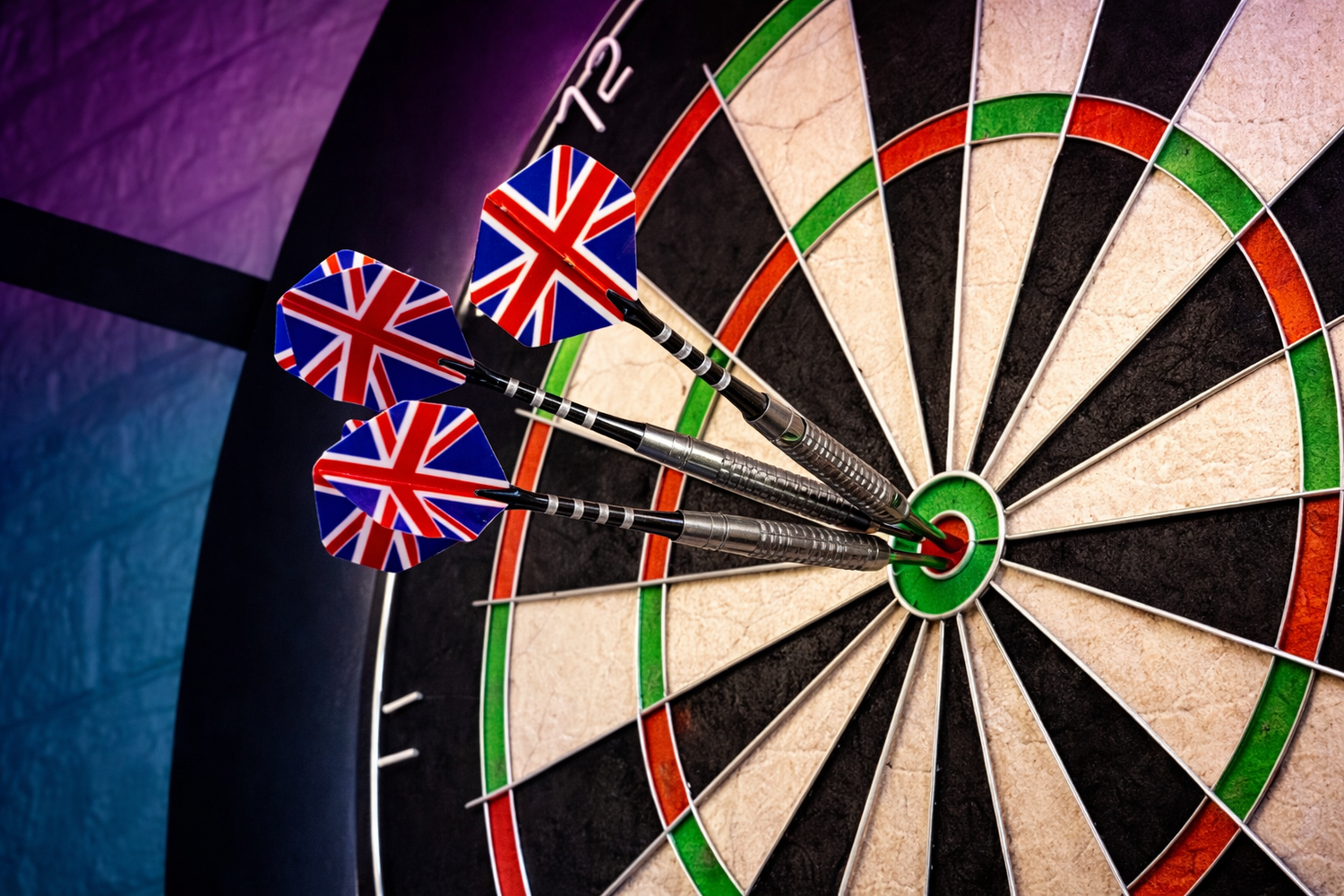
Inspired by the PDC World Darts Championship Final
Every January, as winter settles across the UK, one sporting event captures an entirely different kind of intensity. No roaring engines. No full-contact collisions. Just silence, concentration—and one perfectly released dart.
The PDC World Darts Championship Final, held annually at Alexandra Palace in London, is more than a competition. Since its founding in 1994, it has grown into one of Britain’s most-watched indoor sporting events, drawing millions of viewers across the UK and Europe. What was once a pub-centered pastime has evolved into a professional sport defined by razor-sharp focus, psychological resilience, and extraordinary precision.

Live at the PDC World Darts Championship Final
For many fans, the magic of darts lies in its stillness. One athlete. One moment. One decision. In a world that constantly demands speed and noise, darts represents something rare: total presence.
And that same quality—focus under pressure—is something modern life quietly erodes.
This championship weekend, we’re looking beyond the oche to explore how everyday movement, especially indoor cycling, can help us reclaim the clarity, rhythm, and mental sharpness that define the world’s best darts players.
Precision Over Power: What Darts Really Demands from the Body and Mind
At first glance, darts doesn’t look physically demanding. But anyone who has watched a final knows better.
Professional darts players often stand for hours, maintaining posture, balance, and composure under intense psychological pressure. Heart rates rise not from sprinting, but from expectation, crowd noise, and mental fatigue. A single lapse in focus can undo an entire match.

At the highest level, darts demands composure, balance, and unwavering concentration.
Sports scientists who study darts performance often point to three core demands:
- Stable cardiovascular rhythm to prevent hand tremor
- Fine motor control, supported by relaxed but engaged muscles
- Sustained mental focus, sometimes over dozens of high-stakes throws
This is not explosive athleticism. It’s controlled endurance.
And that’s where the connection to indoor cycling begins to make sense.
Why Focus Can Be Trained, Not Just Inherited
We often think of focus as a personality trait. You either have it or you don’t. Darts tells a different story.
Top players train not just their throwing technique, but their ability to stay calm, repeat routines, and manage pressure. Focus is built through repetition, rhythm, and familiarity—principles that translate directly to the way we move our bodies.

Focus is shaped through repetition, rhythm, and intentional calm.
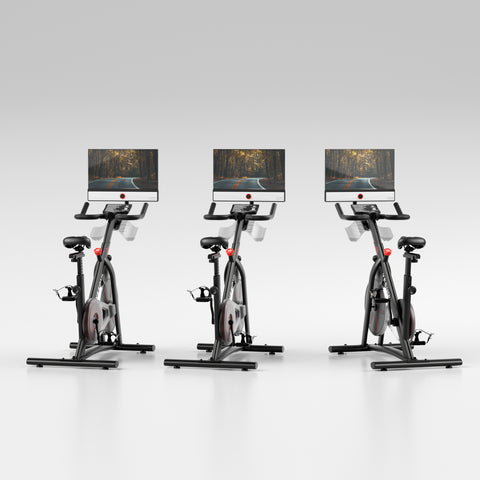
Indoor cycling, when approached mindfully, mirrors this process. It creates a steady environment where breathing, cadence, and attention align. There’s no traffic. No weather. No unpredictability. Just you, your pace, and the quiet challenge of staying present.
And unlike many high-impact workouts, cycling allows the mind to stay engaged without being overwhelmed by physical strain. This makes it particularly effective for people who want to sharpen concentration—not just burn calories.
In that sense, focus isn’t something reserved for elite darts players. It’s a skill anyone can cultivate, one ride at a time.
Rhythm, Routine, and the Psychology of Staying Sharp
Watch a darts final closely and you’ll notice something subtle: champions move with ritual.
They approach the line the same way. They breathe the same way. They throw with almost identical timing each round. These routines are not superstition—they are tools to quiet the mind.
Indoor cycling offers a similar psychological benefit. The repetition of pedaling, the consistency of resistance, the familiarity of your setup all contribute to a mental state psychologists often describe as flow. It’s the space where distraction fades and awareness sharpens.

Repetition and routine help the mind settle into a focused state.
For many people, especially during darker winter months, this kind of movement becomes a form of mental maintenance. A way to reset after work. A way to begin the morning grounded. A way to reconnect with yourself without needing external validation.
This is why cycling has become a staple not just for athletes, but for creatives, professionals, and anyone navigating high cognitive load.
When Home Becomes a Training Space, Not a Stage

Home training works best when it blends naturally into daily life.
In recent years, the idea of home fitness has shifted. It’s no longer about recreating a gym or chasing extreme transformation. It’s about making movement sustainable.
Many people struggle with the same barriers:
- • Limited space
- • Noise concerns
- • Expensive subscriptions
- • Equipment that feels intimidating rather than inviting
What people often need instead is something that fits into real life. A quiet, reliable way to move without turning the home upside down.
This is where indoor cycling stands out. It doesn’t demand spectacle. It invites consistency.
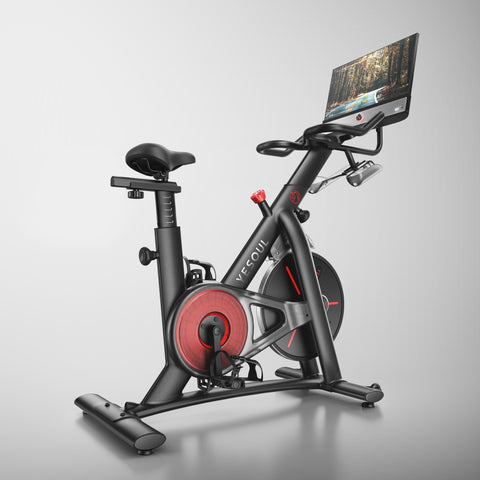
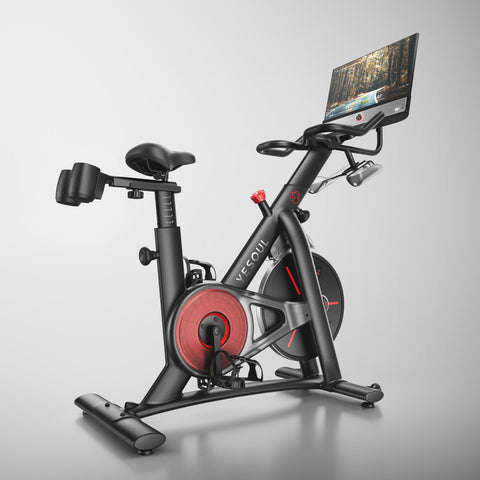
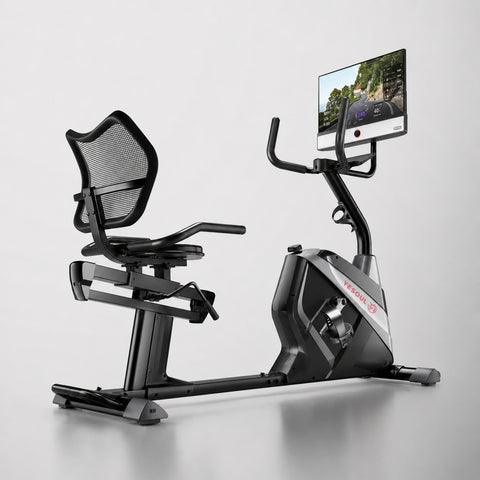
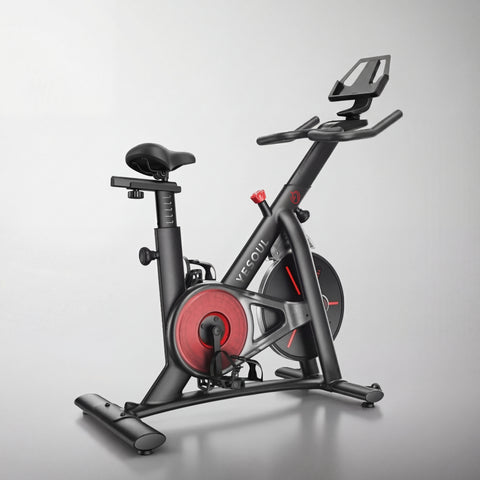
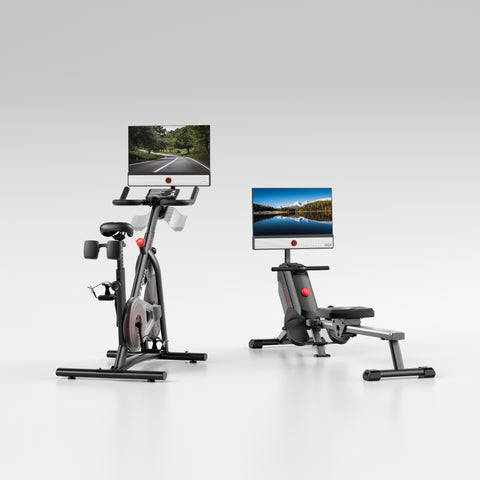
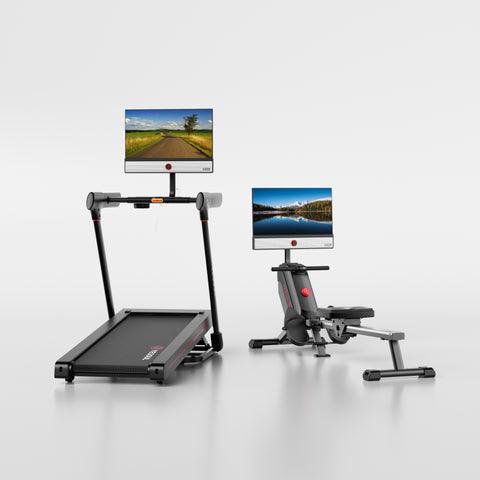
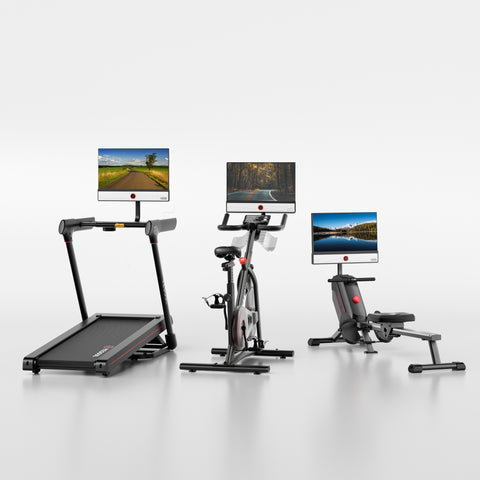
YESOUL has always approached movement from this perspective. Not as a performance, but as a companion to daily life. The goal isn’t to push users to extremes, but to help them stay connected to their bodies and routines, especially when motivation dips.
Much like darts itself, the beauty lies in simplicity done well.
Learning from Champions: Focus Beyond the Arena
Over the years, YESOUL has worked with athletes, creators, and everyday users whose lives look very different—but who share one thing in common: they value clarity.
Some are professionals balancing intense careers. Others are parents carving out small pockets of time for themselves. A few come from competitive sports backgrounds, where discipline and routine once defined their days.
Across these stories, a pattern emerges. The most meaningful fitness habits aren’t loud. They’re quiet, repeatable, and deeply personal.
Much like a darts player stepping up to the line, these individuals don’t need chaos. They need a moment of alignment.
Cycling as a Mental Reset, Not a Performance Test
It’s easy to think of training as something that must always be intense. But the truth is, focus thrives in moderation.
A 20-minute ride after dinner. A steady cadence before work. A quiet session with music or a match replay in the background. These moments don’t look impressive from the outside—but they accumulate.
Just as darts champions don’t win by throwing harder, but by throwing better, meaningful fitness isn’t about doing more. It’s about doing what you can, consistently.
Indoor cycling creates space for that philosophy. It allows movement to be restorative, not draining. Intentional, not forced.
And over time, that mindset spills into other areas of life: decision-making, patience, confidence.
The Final Throw: Bringing Championship Focus Into Everyday Life
As the PDC World Darts Championship Final unfolds, millions will watch players navigate silence, pressure, and expectation with extraordinary control. But the real takeaway isn’t just who lifts the trophy.
It’s the reminder that focus is built, not gifted. That calm is practiced. That presence is earned through repetition.
You don’t need an arena, a crowd, or a title to train like a champion. Sometimes, all it takes is a quiet moment, a steady rhythm, and the willingness to show up.
At YESOUL, we believe movement should support life—not compete with it. Whether through cycling, walking, or simply taking time to breathe, staying sharp is about honoring your own pace.

Focus is built quietly through consistent, intentional movement.
This winter, as the darts fly and the crowd holds its breath, consider where your own moments of focus might live.
Sometimes, the most powerful training happens at home. One calm, intentional session at a time.




Leave a comment
All comments are moderated before being published.
This site is protected by hCaptcha and the hCaptcha Privacy Policy and Terms of Service apply.