






-- How to transition your fitness routine without burnout or injury
When the Season Changes, Your Body Feels It First
Seasonal transitions don’t just show up in the weather—they show up in your body. One week you feel fine, and the next, your energy dips, your sleep feels off, and even simple workouts start to feel heavier than usual. Many people blame a lack of motivation, but the reality is often physiological. Your body is adjusting to new temperatures, changing daylight, and subtle shifts in routine.
This is also the time when fitness routines quietly fall apart. Some people stop moving altogether, feeling too sluggish to keep up. Others try to push harder—jumping straight back into intense workouts in an effort to “stay on track.” But instead of progress, they’re met with soreness, fatigue, or even minor injuries. The result? Frustration, inconsistency, and another reset.
The truth is, seasonal transitions aren’t the time to go harder—they’re the time to go smarter. Your body doesn’t need more stress; it needs support. Movement should feel like a way to restore balance, not fight against it.
This is where low-impact cardio begins to make sense—not as a compromise, but as a more sustainable way to stay active when your body needs it most.
Why This Transition Period Requires a Different Approach

As the seasons shift, your body is quietly doing more work than you realize. Changes in temperature, daylight, and daily rhythm can affect everything from muscle flexibility to energy levels. Joints may feel stiffer, recovery can take longer, and even your usual workouts might feel unexpectedly demanding. It’s not a loss of discipline—it’s your body adapting.
Many beginners make the mistake of treating this period like any other. Jumping back into high-intensity training or trying to maintain peak performance can actually work against you. Instead of building momentum, it often leads to fatigue stacking up, reduced motivation, or small aches that gradually turn into setbacks.
This is where the benefits of low-impact cardio for beginners become clear. By choosing gentler, joint-friendly forms of movement, you can maintain activity without overloading your body. The goal during seasonal transitions isn’t to break records, but to establish sustainable home workout routines that keep you moving consistently while supporting recovery.
By adjusting your expectations and embracing a gentler, more adaptive training style, you create space for long-term progress. Rather than starting over every season, you build continuity—something far more valuable than short bursts of intensity.
What Low-Impact Cardio Really Means—and Why It Works
Low-impact cardio is often misunderstood as “easy” or less effective, but in reality, it’s one of the most sustainable ways to stay active—especially during periods of transition. Instead of focusing on intensity or speed, low-impact movement is about maintaining a steady heart rate while minimizing stress on the joints. Activities like cycling, brisk walking, or elliptical training allow the body to stay in motion without the repeated impact that can lead to fatigue or discomfort.

What makes this approach so effective is its balance. You’re still engaging your cardiovascular system, improving circulation, and supporting metabolism—but in a way that your body can handle consistently. Rather than exhausting yourself in a single session, low-impact cardio allows you to show up day after day. And over time, that consistency leads to real, noticeable progress.
There’s also a mental shift that comes with it. When workouts feel approachable, you’re far more likely to start—and even more likely to stick with it. The pressure to perform disappears, replaced by a sense of rhythm and control. Movement becomes something you return to, not something you avoid.
In this sense, low-impact cardio isn’t a step back from training—it’s a smarter, more adaptable way to keep moving forward, especially when your body needs stability more than intensity.
Building a Simple, Sustainable Routine at Home
During seasonal transitions, the key isn’t doing more—it’s making movement easier to return to every day. A simple, low-pressure routine at home can make all the difference. Instead of planning long or demanding workouts, focus on shorter sessions that fit naturally into your day. Even 20 to 30 minutes of steady movement can help maintain energy levels, improve circulation, and keep your body in rhythm.
What matters most is flexibility. Some days, it might be a light session in the morning to wake up your body. Other days, it could be a gentle ride after work to release tension and reset mentally. The goal isn’t perfection—it’s showing up consistently, even in small ways.
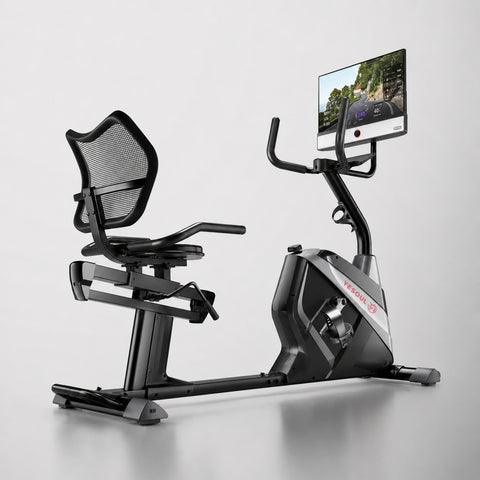
This is where low-impact options feel especially practical. Movements that are smooth, supported, and easy on the joints make it easier to stay consistent, particularly when your body feels a little off-balance. For many people, having a comfortable setup at home—like a recumbent-style ride such as the YESOUL J1M—makes it easier to settle into movement without overthinking intensity or form. It becomes less about “working out” and more about simply staying in motion.
In a home setting, this kind of exercise removes many of the usual barriers—no commute, no pressure, no fixed schedule. Over time, these small, repeatable sessions begin to form a routine that feels natural rather than forced. Instead of relying on bursts of motivation, you build a steady habit—one that adapts with your lifestyle and carries you smoothly through seasonal changes.
Move with the Season, Stay Consistent
Seasonal changes don’t have to interrupt your fitness routine—they’re an opportunity to adjust it. By choosing low-impact cardio, you can stay active without overwhelming your body, build consistency, and support long-term health. Sometimes, moving forward isn’t about pushing harder, but about finding a rhythm you can sustain.

A Real-Life Shift: Finding Balance Through Low-Impact Movement
For Emily, a 35-year-old office worker, seasonal transitions used to mean starting over again and again. During colder months, her activity levels dropped, and when the weather improved, she would try to jump straight back into intense workouts. It worked for a week or two—until fatigue set in. Her legs felt heavy, her energy dipped, and the routine quickly became unsustainable.
This time, she chose a different approach. Instead of pushing harder, she focused on consistency. She started with short, low-impact sessions at home, often in the evening after work. Using a YESOUL J1M recumbent bike, she found it easier to stay comfortable while moving. The seated, supported position took pressure off her lower back and knees, allowing her to ride even on days when her body felt stiff or low on energy.
At first, the sessions were simple—just 20 minutes of steady pedaling while listening to music or catching up on a show. But over time, something shifted. Her body began to respond. She felt less tension after long workdays, her sleep improved, and her energy became more stable throughout the week. More importantly, she stopped thinking of exercise as something she had to restart. It became part of her routine—flexible, manageable, and consistent.

The Hidden Benefits of Going Low-Impact
Low-impact cardio offers more than just a gentler alternative to traditional high-intensity workouts—it provides a range of benefits that support both body and mind. By reducing stress on the joints, it allows you to move more frequently without the lingering soreness or fatigue that often comes from high-impact exercise. This makes it ideal for people returning from injury, those with joint sensitivities, or anyone simply looking for a sustainable way to stay active.
Beyond protecting your body, low-impact movement strengthens cardiovascular endurance and promotes better circulation. Even moderate sessions elevate heart rate, improve oxygen flow, and boost overall energy levels throughout the day. Over time, this consistent stimulus helps build stamina, making everyday activities feel easier and more manageable.
There’s also a mental advantage. Low-impact workouts are approachable and enjoyable, lowering the barrier to consistency. People are more likely to stick with them because the focus shifts from pushing to exhaustion to maintaining steady, mindful movement. This creates a positive feedback loop: the more regularly you engage, the more energy, motivation, and confidence you gain.
In essence, low-impact cardio isn’t just a “lighter” option—it’s a smarter, sustainable way to stay fit, protect your body, and cultivate a lasting exercise habit that works season after season.
Ready to reset your rhythm? Explore the YESOUL J1M Recumbent bike and discover how low-impact cardio at home can transform your consistency this season.





Leave a comment
All comments are moderated before being published.
This site is protected by hCaptcha and the hCaptcha Privacy Policy and Terms of Service apply.