


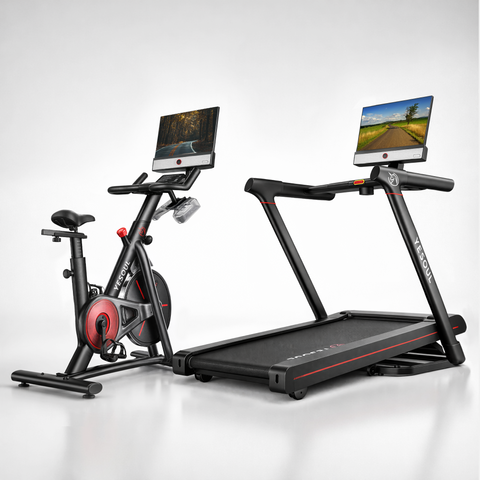
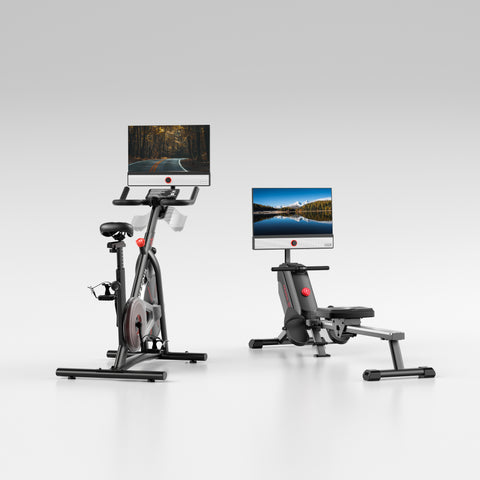
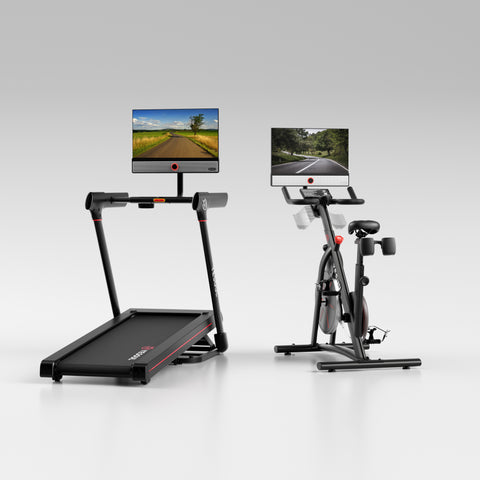
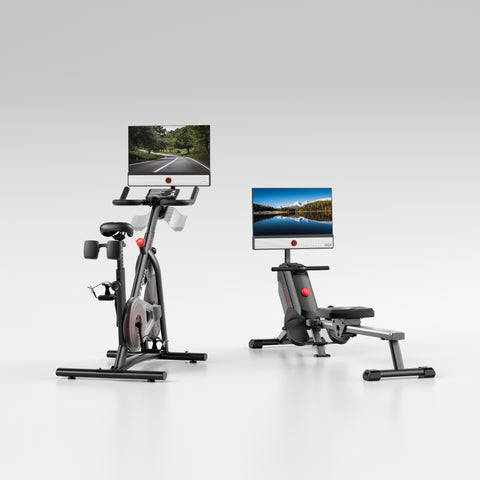


The Spirit of the Wimbledon Finals
Every summer, tennis fans around the world are inspired by the intensity, precision, and resilience displayed during the Wimbledon Finals. Behind every powerful serve, demanding rally, and unforgettable performance is a deeper lesson: lasting performance is not built through effort alone, but through the balance between training and recovery.

Wimbledon inspires not only competition, but also balance, resilience, and respect for recovery.
While professional athletes spend years developing their skills and endurance, the principles behind their success apply to all of us. Recovery, consistency, and intentional movement are just as important for everyday fitness as they are for elite competition.
As the excitement of the Wimbledon Finals fills the summer, YESOUL invites you to embrace a different perspective on fitness—one where slowing down can sometimes be the smartest way to move forward.
Why Active Recovery Workouts Matter During Summer
Summer naturally encourages people to become more active.
Weekend tennis matches.
Morning runs before the temperature rises.
Family bike rides.
Holiday hikes.
Long afternoons spent outdoors.
While these moments bring energy and joy, they also place new demands on our bodies.
Many people believe that improving fitness means constantly training harder. In reality, sustainable progress comes from allowing the body to recover between efforts.
Active recovery is one of the simplest—and often most overlooked—ways to support long-term health.
Instead of remaining completely inactive after exercise, active recovery encourages gentle movement that improves circulation, reduces stiffness, and helps both body and mind return to balance.
Just as professional tennis players recover between points, games, and matches, we also benefit from creating intentional moments of restoration within our everyday routines.
Sometimes, moving a little is exactly what helps us recover a lot.

Gentle movement after exercise helps the body recover while keeping you active.
Small Recovery Workouts That Support Long-Term Fitness
Recovery doesn't always require a full workout. Often, it's the small habits that make the biggest difference.
A gentle cycling session after work. A few peaceful minutes while following the Wimbledon Finals. A quiet moment before bed to let both body and mind unwind.
Low-impact movement helps keep the body active without adding unnecessary strain, making recovery feel less like stopping and more like restoring your natural rhythm.
Sometimes the best way to keep moving forward is to slow down first.
Simple Recovery Tips Inspired by Professional Athletes
Elite athletes understand that recovery is something they actively practice, not something they leave to chance.
You don't need a professional training team to benefit from the same mindset.
Step 1: Reset Your Body
Take a few minutes to slow your breathing after exercise.
Drink water, allow your heart rate to settle, and avoid rushing immediately into your next task.
Step 2: Keep Moving Gently
Choose 10–20 minutes of low-impact movement that feels comfortable rather than challenging.
A relaxed cycling session, easy walk, or light mobility routine can help maintain circulation while allowing your body to recover.
Step 3: Finish and Restore
Finish with gentle stretching, hydration, and a few quiet minutes away from notifications and screens.
Sometimes mental recovery is just as valuable as physical recovery.
The healthiest routines are the ones that leave space for both.
Low-Impact Cardio: A Gentle Way to Stay Active
At YESOUL, we believe movement should support your life—not compete with it.
That's why low-impact cardio has become such an important part of many people's wellness routines.
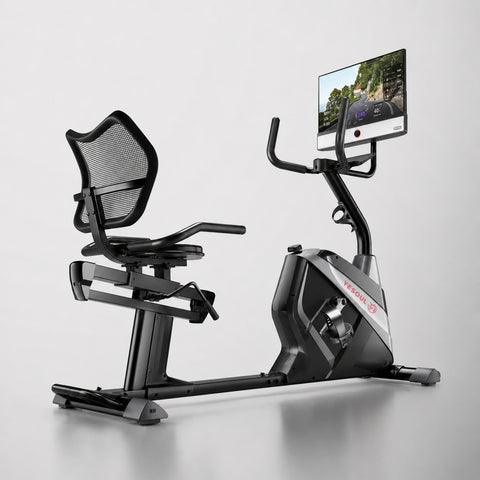
The YESOUL J1M PLUS Recumbent Bike is designed for low-impact cardio, gentle recovery workouts, and everyday movement. Its supportive seated design helps reduce pressure on the back and joints, making it a comfortable option for recovery days, beginners, older adults, or anyone looking for a sustainable way to stay active.
For those recovering after summer sports—or simply looking to build a sustainable fitness habit—it offers an opportunity to move without unnecessary strain.
Because not every workout needs to leave you exhausted.

Low-impact cycling makes recovery comfortable, accessible, and easy to fit into everyday life.
Sometimes the most meaningful session is the one that helps you feel better afterward than before you began.
Movement becomes less about intensity and more about consistency.
Less about performance.
More about care.
Recovery Is Also Self-Care
Modern life often celebrates productivity.
We reward ourselves for being busy.
For pushing harder.
For doing more.
But the body speaks a different language.
It reminds us that energy is renewed through balance.
That strength grows during recovery.
That taking care of ourselves allows us to better care for the people around us.
Just as Wimbledon players prepare for every match by respecting recovery, we, too, can choose to see self-care as an essential part of everyday life rather than something reserved for special occasions.
Whether it's twenty peaceful minutes after work, a quiet morning before the household wakes, or an evening spent moving gently while watching the Wimbledon Finals, these moments become small investments in our long-term well-being.

Recovery is more than rest—it is an act of caring for your body and your everyday life.
Every Season Has Its Own Rhythm
The Wimbledon Finals celebrate champions, but they also celebrate patience, composure, and resilience.
Those same qualities exist far beyond Centre Court.
They appear every time someone chooses to care for themselves after a demanding day.
Every time a family creates time to move together.
Every time we choose consistency over perfection.
This summer, let movement become less about pushing harder and more about listening more carefully.
Let recovery become part of your routine—not because you're slowing down, but because you're preparing for everything that comes next.
At YESOUL, we believe the strongest fitness journeys aren't built on endless intensity.
They're built on balance.
On compassion.
On showing up for yourself, one gentle movement at a time.
As the final point is played at Wimbledon and another champion lifts the trophy, remember that your own victories don't have to happen on Centre Court.
Sometimes, they happen quietly at home—through a simple decision to move, recover, and begin again.





Leave a comment
All comments are moderated before being published.
This site is protected by hCaptcha and the hCaptcha Privacy Policy and Terms of Service apply.