


A New Year, A Smarter Start
Every new year arrives with a familiar sense of hope. Calendars reset, routines feel open to change, and many people make the same promise to themselves: this will be the year I finally take my health seriously. Gyms fill up, workout plans are downloaded, and motivation runs high. Yet for most, that energy fades quickly. By February, many fitness resolutions are already abandoned — not because people don’t care, but because the plans they set were never designed for real life.

The biggest misconception about fitness is that meaningful change requires dramatic effort. Extreme schedules, intense workouts, and rigid rules may look impressive, but they often ignore everyday realities: long work hours, family responsibilities, fluctuating energy levels, and mental fatigue. When fitness becomes another source of pressure, it stops feeling empowering and starts feeling like a burden. Over time, guilt replaces motivation, and consistency breaks down.
As we step into 2026, it’s time for a smarter, more sustainable mindset. Instead of chasing intensity, the focus shifts to low barriers and high consistency. The question is no longer How hard should I train? but How can I move in a way that fits my life? Progress doesn’t come from doing everything at once — it comes from doing something regularly.
A stronger you is not built in a single challenge or a 30-day plan. It’s created through small, repeatable actions that blend naturally into daily routines. Walking while working, cycling to unwind in the evening, or running when time and energy allow — these moments may seem simple, but over time, they reshape habits, confidence, and health.
In the new year, the most powerful fitness decision isn’t to push harder. It’s to start smarter — and to choose a path you can actually sustain.
Why Home Fitness Works in 2026
Modern life moves fast. Workdays are fragmented, schedules are unpredictable, and energy levels fluctuate. For many people, the biggest challenge isn’t knowing how to exercise — it’s finding a way to do it consistently.
Home fitness removes many of the obstacles that stand in the way of long-term success. There’s no commute, no waiting for equipment, and no social pressure. Movement becomes something you can start anytime, whether it’s early morning, between meetings, or late in the evening.
There are three key advantages to training at home:
- Start anytime. Even short sessions count. Ten minutes of movement is always better than none.
- No psychological pressure. Without comparison or performance anxiety, it’s easier to focus on how your body feels.
- Easier habit formation. When exercise fits into your space and schedule, it becomes routine rather than a task.
In 2026, fitness science increasingly supports this shift. Long-term health outcomes are driven not by intensity alone, but by frequency and consistency. Small, repeated efforts compound over time, improving cardiovascular health, metabolic function, and mental well-being.
Home fitness works because it adapts to real life — not the other way around.

Setting Realistic Fitness Goals for the New Year
One of the most common reasons New Year fitness plans fail is not a lack of motivation, but unrealistic goal setting. Many people begin January with the mindset of “all or nothing” — training harder, longer, and more frequently than their bodies or schedules can realistically support. While this intensity may last a few weeks, it often leads to burnout, injury, or frustration. When progress slows or life gets busy, consistency collapses.

A more effective approach for 2026 is to shift away from extreme goals and adopt a daily movement mindset. Instead of focusing on how intense each workout should be, the emphasis moves toward how often you move. Research consistently shows that regular, moderate activity delivers far greater long-term benefits than occasional high-intensity efforts. The goal is not to exhaust the body, but to support it.
Realistic fitness goals are flexible, measurable, and forgiving. For many people, this can be as simple as aiming for 8,000–10,000 steps per day, fitting in 20–30 minutes of cardio, or scheduling low-impact recovery days to reduce stress on joints and muscles. These targets are achievable even on busy days and can be adjusted based on energy levels, work demands, or family commitments.
Home fitness plays a critical role in making these goals sustainable. When exercise is accessible — just a few steps away in your own living space — it removes the friction that often derails good intentions. There’s no commute, no time pressure, and no comparison. Movement becomes something you return to naturally, rather than something you force.
By setting goals that respect your lifestyle, your body, and your mental well-being, fitness stops being a seasonal resolution and becomes a lasting habit. In 2026, success isn’t measured by perfection — it’s measured by consistency, adaptability, and progress you can maintain all year long.

Building Your 2026 Home Gym with YESOUL
A Flexible System for Every Stage of Life
A smart home gym isn’t about owning more equipment — it’s about choosing the right tools for real people and real routines. YESOUL designs its fitness system to support different users, different goals, and different energy levels within the same household.
-
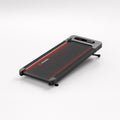
• W2 Pro Walking Pad — For Daily Movement & Beginners
Ideal for office workers, busy parents, and anyone restarting their fitness journey. Light walking throughout the day helps reduce sedentary time, improve circulation, and maintain baseline activity — even on low-motivation days.
W2 Pro Walking Pad
-
• T3S Plus Treadmill — For Structured Cardio & Endurance
Best suited for walkers transitioning to jogging, runners maintaining consistency, and users focused on cardiovascular health. Controlled speed and incline support progressive training without weather or time constraints.
T3S Plus Treadmill
-
• G1M Plus / J1M Bike — For Low-Impact & Joint-Friendly Training
Perfect for middle-aged users, joint-sensitive individuals, and recovery phases. Smooth cycling delivers effective cardio while minimizing stress on knees and hips. -
• One System, Multiple Intensity Options
High-energy days can include running or interval training. Recovery days may focus on cycling or walking — keeping movement consistent without overtraining. -
• Designed for Households, Not Individuals
Different family members can share the same setup, each choosing the movement that fits their needs.

G1M Plus & J1M Bike
With YESOUL, home fitness becomes adaptable, inclusive, and sustainable — supporting consistency over intensity and helping families stay active together throughout 2026.
A Real-Life Story | Small Movements, Big Changes
When Claire first brought the YESOUL W2 Pro Walking Pad into her home, she didn’t call it a fitness decision — she called it a practical one. At 47, balancing full-time work, teenage children, and aging parents, exercise had slowly disappeared from her daily life. Gym memberships went unused, and ambitious New Year resolutions rarely lasted beyond February. What she needed wasn’t more motivation, but a simpler way to move.
She started with walking. Ten minutes in the morning while answering emails. Fifteen minutes after dinner while watching the news. The walking pad lived quietly in her living room, requiring no preparation, no outfit changes, and no mental negotiation. On busy days, those steps were all she did — and that was enough.
After several weeks, something shifted. Walking became automatic, not optional. Her energy stabilized, afternoon fatigue eased, and she noticed she slept more deeply. Encouraged, Claire added the G1M Plus Bike to her routine. Cycling felt gentle and controlled — ideal on days when her knees felt stiff or her mind felt overloaded. The bike became her choice for recovery, reflection, and stress relief.
By mid-year, Claire felt ready for more structure. She introduced short treadmill sessions on the T3S Plus, alternating brisk walking with light jogging. There was no pressure to perform, no obsession with speed or distance. Some weeks she ran twice. Other weeks, not at all. What mattered was that movement had become part of her household rhythm.
A year later, Claire doesn’t describe herself as “fit.” Instead, she says she’s consistent. Movement no longer feels like a task to complete, but a habit woven into everyday life. Her story isn’t about transformation — it’s about sustainability. Small movements, repeated daily, created lasting change.
YESOUL Philosophy | A Smarter Way to Move Forward
YESOUL believes that real fitness should support real life. In a world filled with extreme challenges and unrealistic expectations, we choose a different path — one rooted in sustainability, flexibility, and respect for individual rhythms. Fitness doesn’t have to be intense to be effective, and progress doesn’t require perfection. What truly matters is showing up, consistently and without pressure.
That’s why YESOUL designs home fitness systems that adapt to different stages of life, energy levels, and personal goals. From light daily walking to structured cardio training and low-impact cycling, every product is part of a complete movement ecosystem — allowing users to move more, stress less, and stay consistent.
Your stronger 2026 doesn’t begin with a dramatic resolution. It starts at home, with small, repeatable choices that fit naturally into everyday routines. Whether it’s a few thousand steps, a quiet ride, or a short run, each moment of movement builds toward long-term strength. With YESOUL, fitness becomes not a temporary goal, but a lasting way of life.

Leave a comment
All comments are moderated before being published.
This site is protected by hCaptcha and the hCaptcha Privacy Policy and Terms of Service apply.